Sculpt Sublime is a dedicated plastic and cosmetic surgery clinic in Mumbai, led by Dr Ranjit Bhosale, offering advanced facelift surgery (rhytidectomy) for patients who want to reduce the visible signs of facial ageing and restore a more youthful, refreshed appearance without looking artificial or “pulled.” Whether your face has changed due to loss of skin elasticity, descending facial fat, weakening muscles, or simply with age, our personalised approach focuses on natural-looking results with well-concealed scars. This page covers everything you need to know about facelift treatment in Mumbai what it is, who it suits, the stages of ageing and surgical techniques, the step-by-step procedure, recovery, and the questions patients ask most.
What Is a Facelift?
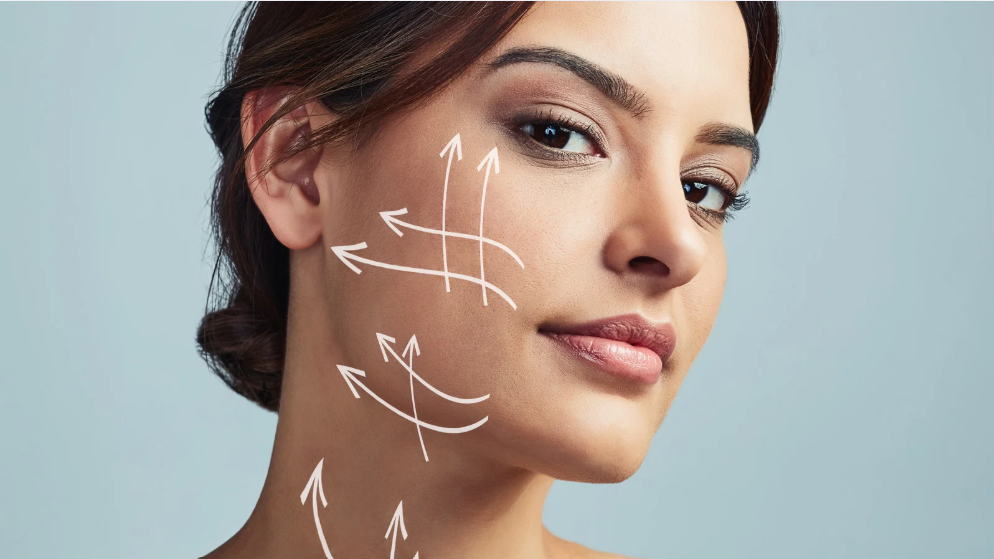
Facelift, medically known as rhytidectomy, is a procedure that lifts and reshapes the sagging tissues of the face and neck by tightening the underlying muscles and connective tissue, repositioning descended fat, and removing excess skin. Over time, factors such as ageing, sun exposure, weight fluctuations, gravity, and loss of collagen and elastin can cause the skin to lose firmness, the mid-face to descend, and the jawline to lose definition.
A facelift restores a firmer, more youthful facial contour and can also address jowls, deep folds around the mouth, and a poorly defined jawline. Importantly, a facelift corrects the structural changes of ageing rather than surface concerns alone if you also want to smooth fine lines or restore lost volume, it is often combined with injectables or fat grafting, and if you want to address the eyes or brow, with eyelid surgery or a brow lift.
Are You a Good Candidate for a Facelift in Mumbai?
You may be an ideal candidate for facelift surgery in Mumbai if you:
- Have moderate to significant sagging skin on the face and neck
- Notice deeper wrinkles and folds around the mouth and nose
- Have visible jowls along the jawline or a loss of jaw definition
- Feel your mid-face has descended or lost fullness in the cheeks
- Have loose neck skin, platysma banding, or a double chin
- Are at a stable, healthy weight and in good general health
- Have realistic expectations about shape and scarring
- Are a non-smoker, or are willing to quit smoking for several weeks before and after surgery
Considering a Facelift in Mumbai?
Book a personalised facelift consultation with Dr Ranjit Bhosale at Sculpt Sublime, Mumbai.
Understanding the Stages of Facial Ageing
Surgeons assess facial ageing by looking at multiple factors skin laxity, mid-face descent, jowl formation, neck sagging, and the position of the underlying facial ligaments. The stage of ageing guides which technique gives the best result:
- Early (30s to early 40s): Mild skin laxity, early hints of jowling, and subtle mid-face descent. A shorter-scar technique such as a MACS lift or mini facelift is often enough.
- Moderate (mid-40s to 50s): Visible jowls, deepening nasolabial folds, some mid-face descent, and mild to moderate neck laxity. A traditional SMAS facelift is usually appropriate.
- Advanced (late 50s and beyond): Significant sagging of the mid-face, prominent jowls, deep folds, loose neck skin, and platysma banding. A deep plane facelift, often with a neck lift, is required for a complete correction.
- Neck-predominant ageing: In some patients, neck sagging and platysma banding are more prominent than mid-face changes addressed with a targeted neck lift, often combined with a lower face component.
Facelift Surgery Techniques Available in Mumbai
At Sculpt Sublime, the right technique is selected based on your degree of ageing, skin quality, and aesthetic goals, with scar placement chosen to be as discreet as possible. More advanced ageing generally requires more extensive tissue repositioning.
1. Mini Facelift
For early to mild ageing, shorter incisions are made around the temples and ears to address jowls and lower face laxity. It suits patients in their 40s seeking early intervention with minimal downtime, and leaves scars concealed within the hairline and around the ear.
2. MACS Lift (Minimal Access Cranial Suspension)
For patients with early to moderate mid-face descent and jowling, this technique uses purse-string sutures through a short incision near the temple hairline to lift and suspend the soft tissues of the mid and lower face. It offers meaningful rejuvenation with a shorter incision and quicker recovery than a traditional facelift.
3. Traditional SMAS Facelift
For moderate ageing, this technique uses incisions around the temples, hairline, and ears to access and reposition the SMAS layer — the fibromuscular sheet beneath the skin — tighten the underlying tissue, and remove excess skin. It remains the benchmark for comprehensive facial rejuvenation.
4. Deep Plane Facelift
For significant sagging with substantial mid-face descent, this advanced technique lifts the deeper tissue plane and releases the retaining ligaments of the face. It gives the surgeon the most control to reposition descended fat, correct deep folds, and produce a natural, long-lasting result.
5. Endoscopic Facelift
For patients with early-stage facial laxity who want subtle correction with minimal downtime, small incisions and an endoscopic camera are used to lift specific areas of the face with limited scarring.
6. Facelift Combined with Other Procedures
When sagging affects both the face and neck, a neck lift is combined with the facelift in the same procedure. Some patients also choose to combine a facelift with eyelid surgery, a brow lift, fat grafting, or facial implants for a complete facial rejuvenation in a single operation, depending on your anatomy, overall goals, and health.
About Facial Plastic Surgery
Additional Facial Surgery Services in Mumbai
Our doctor in Mumbai offers a full range of precision-crafted procedures to restore confidence and enhance your natural beauty.
The Facelift Procedure: Step by Step
Step 1: Initial Consultation
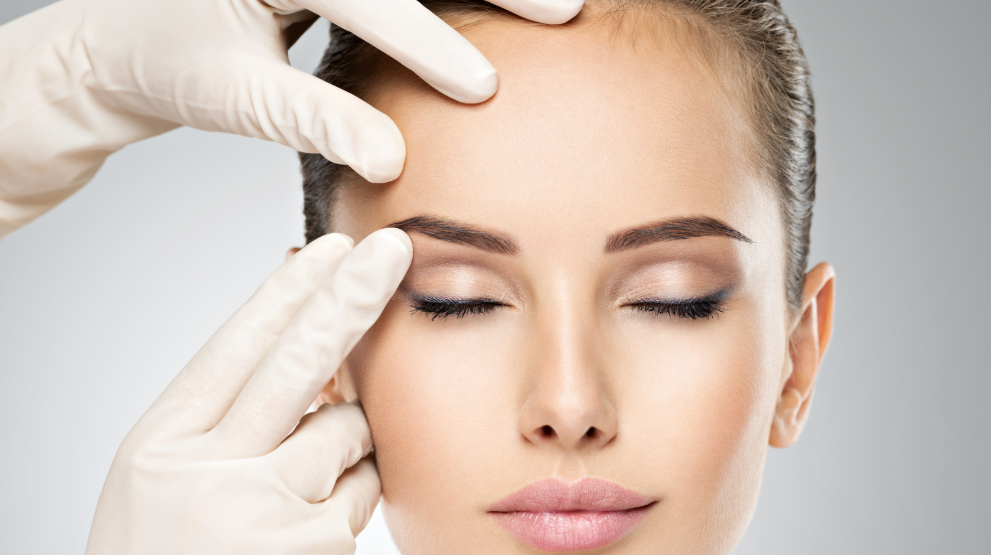
Your journey begins with a detailed consultation. Dr Ranjit Bhosale examines your face to assess the degree of ageing, skin quality, mid-face position, and neck laxity, reviews your overall health, discusses your goals, and recommends the most suitable technique and incision pattern for your anatomy.
Step 2: Pre-Operative Preparation
Once you decide to proceed, your surgeon may order blood tests and a cardiovascular assessment to confirm you are fit for surgery. You will receive instructions on which medications or supplements to pause, dietary guidance, and advice to stop smoking at least two weeks before surgery to support healing.
Step 3: Anaesthesia
A facelift is performed under general anaesthesia, or in some cases intravenous sedation with local anaesthesia, so you remain comfortable and pain-free throughout the procedure. Your anaesthesiologist tailors the plan to your needs.
Step 4: Incisions & Tissue Repositioning
The surgeon makes the planned incisions — typically within the hairline and around the ears accesses the SMAS or deeper tissue plane, and lifts and repositions the underlying facial structures. Descended fat pads are returned to a more youthful position, the platysma muscle in the neck is tightened where needed, and the retaining ligaments may be released to achieve a natural, long-lasting result.
Step 5: Skin Tightening & Closure
The remaining skin is redraped over the reshaped facial structure, excess skin is carefully trimmed, and the incisions are closed in layers with fine sutures to minimise scarring. Where appropriate, small drainage tubes may be placed for 24 to 48 hours. A supportive compression garment is applied to control swelling.
Step 6: Recovery & Aftercare
A facelift is usually performed with a short overnight stay. You will wear a compression garment as directed, manage discomfort with prescribed medication, and follow wound-care instructions. Follow-up visits track your healing and ensure an optimal result.
Facelift Recovery Timeline
What are the typical stages of recovery after facelift surgery? Here is a general timeline patients can expect:
- Days 1–3: Rest at home with swelling, bruising, and tightness at their peak. The compression garment is worn as directed, the head is kept elevated, and discomfort is managed with medication.
- Week 1: Sutures are assessed and drains removed if used. Most patients move around comfortably indoors while continuing light activity only.
- Weeks 2–3: Most sutures are removed, bruising fades, and most patients feel socially ready and return to desk work with makeup coverage. Strenuous activity is still avoided.
- Weeks 4–6: Gradual return to exercise with your surgeon’s approval. The face already looks noticeably firmer and more lifted.
- Months 3–6: Final shape settles as residual swelling resolves and scars begin to fade. Scars continue to soften and lighten over the following 12–18 months.
Benefits of a Facelift
- Firmer, lifted contour: The face and neck sit higher with a more youthful shape, creating a naturally refreshed appearance overall.
- Better definition: A sharper jawline, tightened neck, and repositioned mid-face restore a balanced, harmonious profile.
- Reduced folds and jowls: Deep nasolabial folds, marionette lines, and jowls are softened or eliminated.
- Restored confidence: Reversing years of visible ageing can significantly boost self-esteem and how you feel in photos and social settings.
- Long-lasting results: With a stable weight, good skin care, and sun protection, results typically endure for 8 to 12 years, though ageing continues naturally.
What Affects the Cost of a Facelift in Mumbai?
There is no single fixed price for facelift surgery, because the cost of a facelift depends on the specifics of your case. Rather than quote a figure here, we provide a clear, personalised estimate during your consultation once your face has been assessed. The main factors that influence the cost include:
- Degree of ageing: More advanced ageing with significant mid-face descent and neck laxity requires more complex surgery than a mini or MACS lift.
- Surgical technique used: Mini facelift, MACS lift, traditional SMAS facelift, and deep plane facelift techniques each involve different time and resources.
- Facelift alone or combined: Adding a neck lift, eyelid surgery, fat grafting, or facial implants in the same procedure affects the overall cost.
- Surgeon’s experience and qualifications: The expertise of a board-certified plastic surgeon is reflected in the standard of care and results.
- Anaesthesia and hospital stay: General anaesthesia and whether a day-care or overnight stay is needed affect the total.
- Facility and post-operative care: Accredited operating-theatre charges, compression garments, medications, and follow-up visits form part of the plan.
During your consultation, Dr Ranjit Bhosale will assess your condition and provide a transparent, detailed cost estimate tailored to your individual needs.
Book Your Facelift Consultation in Mumbai Today
If you are looking for an experienced facelift surgeon in Mumbai, Sculpt Sublime makes your facelift surgery journey as smooth and informed as possible. Book a consultation with Dr Ranjit Bhosale today, and he will assess your face, understand your goals, and recommend the most suitable facelift treatment for you. Contact us today or fill out our enquiry form, and our team will get back to you promptly.
FAQs About Facelift Surgery in Mumbai