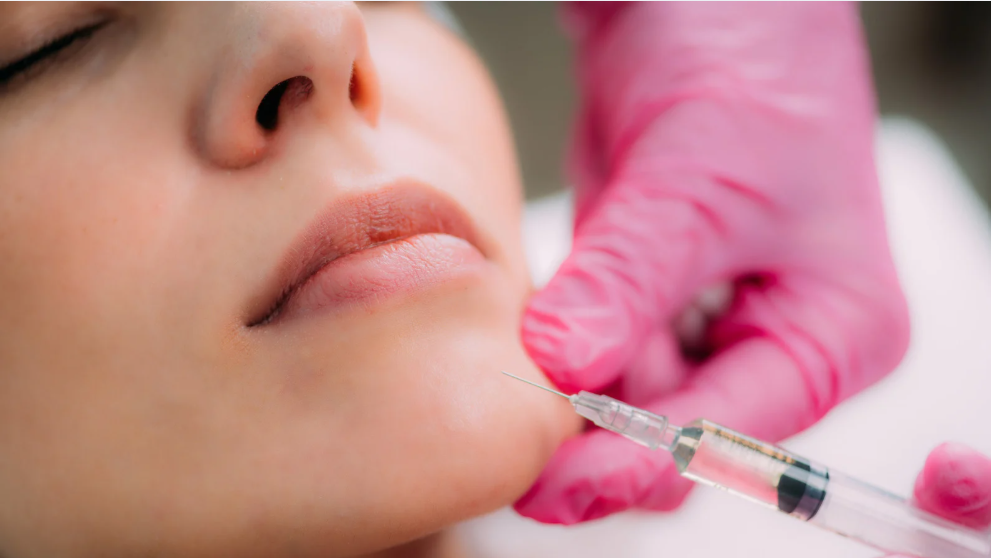
What Is Rhinoplasty?
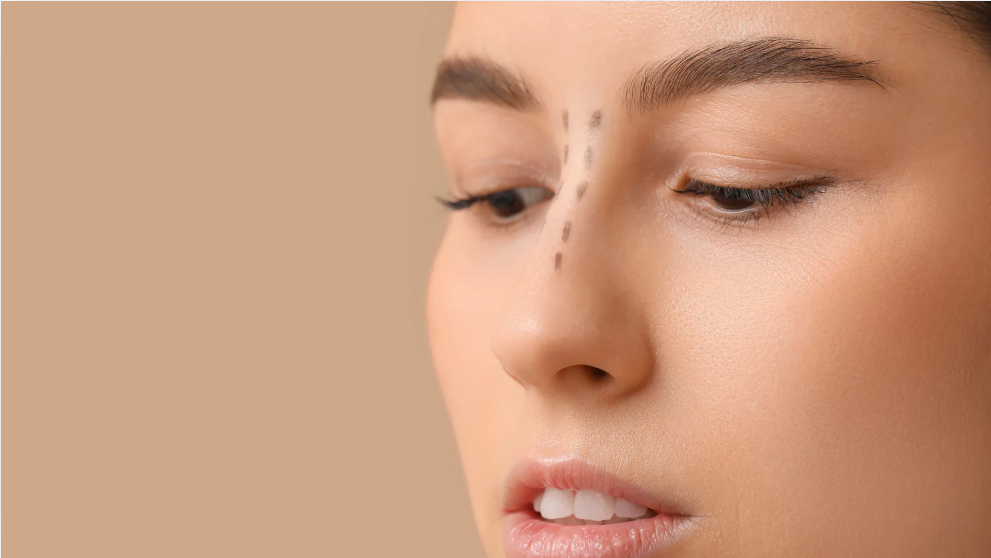
Rhinoplasty, commonly known as a nose job, is one of the most technically demanding and aesthetically rewarding procedures in plastic and cosmetic surgery; in simple terms, a nose job is a form of plastic surgery used to reshape or repair the nose. We help patients correct dorsal humps, refine nasal tips, and improve nasal symmetry. In some cases, rhinoplasty may be combined with facial surgery procedures such as chin augmentation to improve facial balance and enhance overall profile harmony.
Beyond cosmetics, rhinoplasty is also performed to deliver both cosmetic and functional improvement. A deviated septum, collapsed nasal valves, or enlarged turbinates can make breathing difficult functional rhinoplasty (also called septorhinoplasty) addresses these issues simultaneously. In many cases, a rhinoplasty can be performed to improve breathing as well as appearance.
Are You a Good Candidate for Rhinoplasty in Mumbai?
- You may be an ideal candidate for rhinoplasty surgery if you:
- Are unhappy with the size, shape, or proportion of your nose
- Have a dorsal hump, wide nasal bridge, or flat/low bridge
- Have a bulbous, drooping, pinched, or asymmetric nasal tip
- Experience breathing difficulties due to a deviated septum or structural issues
- Have a nose that appears crooked, twisted, or off-center
- Are at least 17 years old (females) or 15 years old (males), when nasal bone growth is complete
- Are in good general health with realistic expectations about surgical outcomes
- Are a non-smoker or willing to quit smoking for at least 4–6 weeks pre- and post-surgery
Types of Rhinoplasty Surgery Available in Mumbai
1. Open Rhinoplasty
Open rhinoplasty, a small incision is made across the columella (the narrow strip of tissue between the nostrils), allowing the surgeon to fully lift the nasal skin and gain direct access to the underlying bone and cartilage framework. Open rhinoplasty is preferred for complex cases requiring significant structural reshaping, such as revision surgery, severe tip deformities, or major dorsal hump corrections. The tiny scar heals virtually invisibly over time.
2. Closed Rhinoplasty
All incisions in closed rhinoplasty are placed entirely inside the nostrils, leaving no external scarring. This approach results in less swelling, faster recovery, and is ideal for patients requiring moderate changes, such as minor tip refinement or bridge reduction. Closed rhinoplasty in Mumbai is a popular choice for first-time patients seeking subtle improvements.
3. Ethnic Rhinoplasty
Ethnic rhinoplasty is a specialised technique tailored to honour the unique nasal characteristics of a patient’s cultural heritage, be it South Asian, African, Middle Eastern, or East Asian, while achieving the patient’s aesthetic goals. Mumbai’s rhinoplasty surgeons have extensive expertise in ethnic nose reshaping, ensuring results that look natural and harmonious, not westernised.
4. Tip Plasty (Nasal Tip Correction)
Tip plasty focuses exclusively on reshaping the nasal tip, correcting a bulbous tip, drooping tip (ptotic tip), pinched tip, or boxy tip. It is a shorter, more focused procedure with quicker recovery than full rhinoplasty and is ideal for patients satisfied with their bridge but wanting a more refined, elegant nasal tip.
5. Functional Rhinoplasty / Septoplasty / Septorhinoplasty
Functional rhinoplasty corrects structural nasal problems such as a deviated septum, enlarged turbinates, or collapsed nasal valves that obstruct breathing. When combined with cosmetic reshaping in the same surgery, the combined procedure is called septorhinoplasty, delivering both beauty and better breathing in a single operation.
6. Revision Rhinoplasty
Revision rhinoplasty, also called secondary rhinoplasty, addresses unsatisfactory results or complications from a previous nose surgery. It is more complex than primary rhinoplasty because the surgeon must navigate scar tissue, altered anatomy, and possibly depleted cartilage. Mumbai’s best revision rhinoplasty surgeons use cartilage grafting techniques (from ear or rib) to rebuild and refine the nose.
7. Ultrasonic / Piezo Rhinoplasty
Ultrasonic rhinoplasty is an advanced surgical technique in which piezo (ultrasonic) instruments precisely sculpt the nasal bone without damaging the surrounding soft tissue, blood vessels, or cartilage. This results in significantly less bruising, swelling, and downtime compared to traditional osteotomy. Select rhinoplasty surgeons in Mumbai now offer this state-of-the-art technique for patients seeking the highest level of precision and faster recovery.
About Facial Plastic Surgery
Additional Facial Surgery Services in Mumbai
Our doctor in Mumbai offers a full range of precision-crafted procedures to restore confidence and enhance your natural beauty.
The Rhinoplasty Surgery Process: Step by Step
Step 1: Initial Consultation
Our rhinoplasty process begins with a detailed consultation. The rhinoplasty surgeon will evaluate your nasal anatomy, skin thickness, bone structure, and facial proportions. We discuss aesthetic goals, concerns, and expected outcomes in detail. Many top clinics in Mumbai now offer 3D simulation imaging, allowing patients to visualise potential outcomes. before committing to surgery.
Step 2: Pre-Operative Preparation
Once you decide to proceed, your surgeon will order pre-operative investigations including blood tests, ECG, and nasal X-rays or CT scans if required. You will receive specific instructions about medications to avoid, fasting requirements, and lifestyle adjustments (particularly regarding smoking and alcohol) in the weeks leading up to surgery.
Step 3: Anaesthesia
Rhinoplasty surgery is typically performed under general anaesthesia for patient comfort and surgical precision. For minor tip corrections or non-surgical rhinoplasty, local anaesthesia with sedation may be used. Your anaesthesiologist will review your history and tailor the anaesthesia plan to your needs.
Step 4: The Surgery
Depending on the technique (open or closed), the surgeon makes incisions, lifts the nasal skin, and carefully reshapes the underlying bone and cartilage framework. Cartilage grafts may be harvested from the ear (conchal cartilage) or rib if additional structural support is required. The procedure typically takes 1.5 to 4 hours, depending on complexity.
Step 5: Closure & Splinting
Once reshaping is complete, incisions are closed with fine sutures. A nasal splint or cast is applied to support the new nasal shape and minimise swelling during the critical early healing phase. In some cases, internal nasal packing is used temporarily.
Step 6: Recovery & Aftercare
Most patients return home the same day or after one night of observation. The splint is removed after 7–10 days. After surgery, swelling, bruising, and congestion are expected in the early healing phase. Initial swelling and bruising around the nose and eyes are normal and resolve within 2–3 weeks, and most of the visible bruising improves within the first few weeks. After rhinoplasty, mild residual swelling, particularly at the tip, can persist for 6–12 months. Your surgeon will schedule follow-up visits to monitor healing, and after the splint is removed, scheduled reviews help track healing and ensure optimal results.
Many patients choose to address multiple facial concerns together, combining rhinoplasty with procedures such as blepharoplasty or a brow lift for more comprehensive facial rejuvenation.
Curious About Your Rhinoplasty Options?
Book a consultation with Dr Ranjit to discuss your goals and get a personalised rhinoplasty plan.
Rhinoplasty Recovery Timeline
What are the typical stages of rhinoplasty recovery? Here is a general timeline patients can expect:
- Days 1–3: Rest, swelling, and bruising around the eyes and nose. Ice packs and head elevation are advised.
- Days 4–7: Splint/cast in place. Mild discomfort, manageable with prescribed medication.
- Days 8–14: Splint removed. Patients can be presentable for social settings, though some swelling remains.
- Weeks 3–4: Return to desk work and light activities. Avoid strenuous exercise.
- Month 2–3: Significant improvement in shape visible; it can take time for definition to emerge as tissues settle, with most swelling resolved.
- Month 6–12: Final refined results visible. Tip definition continues to improve as skin redrapes.
Rhinoplasty Cost in Mumbai
The cost of rhinoplasty in Mumbai varies based on several factors including the type of procedure, surgeon’s expertise, anaesthesia charges, facility/OT charges, and the complexity of your case. Below is a comprehensive pricing overview:
Factors That Influence Rhinoplasty Cost in Mumbai
- Type and complexity of surgery (primary vs. revision, cosmetic vs. functional)
- Surgical technique used (open vs. closed, ultrasonic piezo rhinoplasty)
- Surgeon’s experience, qualifications, and reputation
- Clinic/hospital facilities (NABH-accredited, ICU availability, OT standards)
- Anaesthesia type (general vs. local with sedation)
- Post-operative care, medications, and follow-up visits
- Geographic location within Mumbai (South Mumbai, Western suburbs, Navi Mumbai)
Some patients choose to combine rhinoplasty with procedures such as cheek volumization, or a double chin which may influence the overall treatment plan and cost.
Book Your Rhinoplasty Consultation in Mumbai Today
At SculptSublime, we make your rhinoplasty journey as smooth and informed as possible. Book a consultation with Dr Ranjit today, and he will assess your nasal anatomy, understand your goals, and recommend the most suitable treatment option for you. Contact us today or fill out our enquiry form, and our team will get back to you promptly.
FAQs About Rhinoplasty in Mumbai