


Table of Contents
When you know what to expect after your breast reduction surgery, you approach recovery with clarity rather than uncertainty. Reduction mammoplasty often provides lasting relief from physical discomfort. But the healing phase plays a crucial role in achieving a stable and comfortable outcome. Recovery unfolds gradually, and each stage brings changes that are normal, expected, and manageable with appropriate care.
Every individual heals differently. Factors such as surgical technique, skin quality, general health, and adherence to post-operative guidance influence the pace of recovery. What remains consistent is the need for patience, realistic expectations, and ongoing communication with your surgical team.
The First 24 to 48 Hours After Surgery
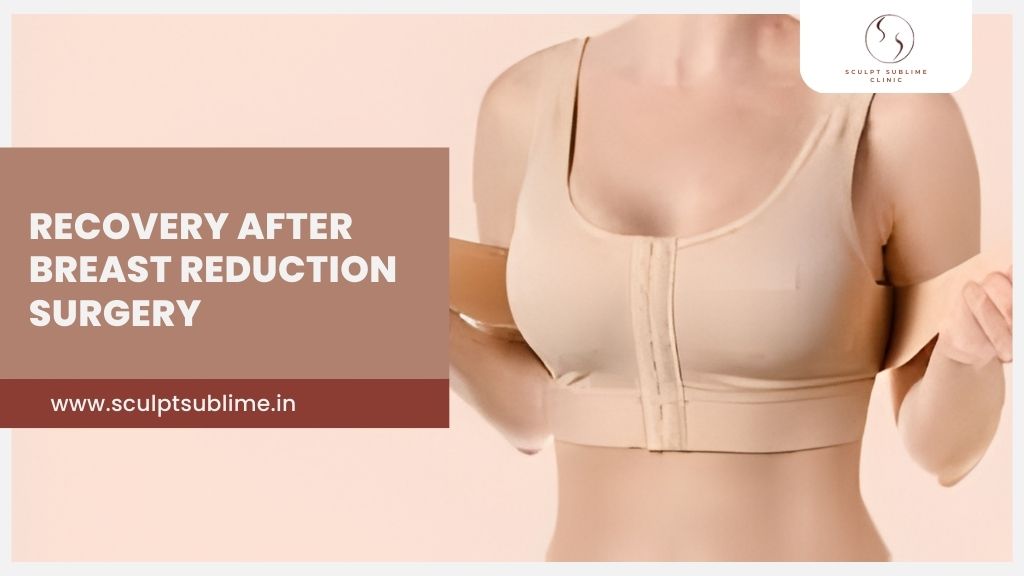
Immediately after breast reduction surgery, you will spend time in a supervised recovery setting. Medical staff monitor your comfort, circulation, and early signs of healing. Dressings and a supportive surgical bra help control swelling and protect the incisions.
During this period, sensations of tightness, pressure, or heaviness across the chest are common. These feelings reflect tissue adjustment rather than complications. Mild to moderate discomfort is expected and remains manageable with prescribed pain relief. Fatigue often accompanies the first few days as your body redirects energy towards healing.
Some patients may notice drainage tubes that are temporarily placed to prevent fluid accumulation. When used, surgeons typically remove them within a short timeframe once drainage reduces.
Early Physical Changes You May Notice
Swelling after breast reduction develops as part of the natural inflammatory response. The breasts may appear firmer, higher, or slightly uneven initially. Bruising can extend beyond the breast area and gradually fades over the following weeks.
Changes in nipple or skin sensation occur frequently during the early stages of recovery. Numbness, tingling, or heightened sensitivity may appear as nerves recover. These sensations usually improve over time, although full sensory normalisation varies between individuals.
Incisions remain covered and protected during this stage. I provide clear instructions on wound care to support clean healing and minimise infection risk.
Support Garments and Sensation Changes During Healing
During recovery, I often advise delaying final bra sizing until swelling has settled and breast shape has stabilised. Early use of a supportive surgical bra helps protect healing tissue, while fitted bras usually become appropriate only after medical clearance.
Some patients experience brief, sharp sensations or tingling within the breasts as nerves recover. These sensations, often described as quick “zings,” reflect nerve regeneration and typically reduce as healing progresses.
Managing Pain and Discomfort
Pain following breast reduction surgery typically peaks within the first few days and gradually subsides. We prescribe appropriate medication to control discomfort without impairing alertness. Many of our patients transition to milder pain relief sooner than expected.
Stiffness across the shoulders, neck, and upper back may develop due to posture adjustments and reduced movement. Gentle walking improves circulation and helps prevent muscle tightness without stressing healing tissue.
Rest supports recovery, but prolonged inactivity slows circulation. Balancing movement and rest remains essential during the first week.
Have Questions About Your Recovery?
The First Two Weeks of Recovery
During the first fortnight, swelling slowly begins to reduce. The breasts still feel firm, and their final shape remains unsettled. Surgical bras continue to provide support and limit unnecessary movement.
Most of our patients return to light daily activities within this period. Desk-based work often resumes after adequate rest, provided arm movements remain limited. Lifting, stretching, and reaching above shoulder level should still be avoided to protect incision sites.
Incision lines may appear raised, pink, or firm to the touch. This appearance reflects normal early scar formation rather than delayed healing.
Healing Progress Over the First Six Weeks
As recovery progresses, the breast tissue softens, and swelling continues to reduce. Shape becomes more natural, although final contouring takes longer to stabilise. Sensation continues to evolve, with intermittent tingling or changes in sensitivity still expected.
I usually allow gradual reintroduction of light exercise during this phase. Activities such as brisk walking may resume earlier, while strength training and high-impact movement require additional healing time.
Scar care often begins during this period. Topical treatments or massage techniques to support scar maturation and skin flexibility may help during this recovery phase.
Understanding Breast Reduction Scars
Breast reduction scars form where incisions are made to allow for tissue reshaping and the removal of excess tissue. Their appearance changes significantly over time. Early redness and firmness gradually soften and fade over several months.
Scar placement follows the natural contours of the breast whenever possible. Over time, scars become less noticeable, particularly with proper care and sun protection. Genetics, skin tone, and collagen response influence final scar appearance.
While scars never disappear entirely, they typically become discreet and secondary to the functional and physical relief achieved through surgery.
Emotional and Psychological Adjustments
Recovery encompasses both emotional adaptation and physical healing. Many patients experience immediate relief from neck, shoulder, or back discomfort. Clothing fits differently, posture improves, and physical activity becomes more comfortable.
Some individuals experience emotional fatigue during the early stages of recovery. A temporary low mood or sensitivity may reflect the physical demands of healing rather than dissatisfaction. Adjustments to body image changes also take time, even when the results align with expectations.
Open communication with my team and me helps address concerns early and supports emotional reassurance throughout recovery.
The technique is based on anatomy and surgical goals not preference. Clear consultation explains the choice, especially for patients considering breast reduction surgery.
Long-Term Results and Stability
The long-term results of breast reduction become clearer as healing completes. Final breast shape and proportion typically stabilise several months after surgery. Weight stability supports consistent outcomes, as significant fluctuations may affect breast size and contour.
Most patients report sustained symptom relief, improved posture, and greater comfort during physical activity. These benefits often persist for many years when combined with a balanced lifestyle.
Pregnancy, ageing, and hormonal changes may influence breast appearance over time, but surgical reduction continues to provide foundational reshaping and support.
Follow-Up Care and Monitoring
Scheduled follow-up appointments enable me to assess the healing progress, address any concerns, and adjust aftercare guidance as needed. Attending these reviews remains essential, even when recovery feels smooth.
Any signs of unusual swelling, redness, discharge, or persistent pain should prompt timely medical review. Early intervention supports uncomplicated healing and protects long-term outcomes.
Patients recovering under the care of an experienced surgeon benefit from continuity, clear communication, and personalised recovery planning.
Supporting a Smooth Recovery
Successful recovery depends on adherence to post-operative instructions. Wearing supportive garments, avoiding premature activity, and maintaining wound hygiene all contribute to optimal healing.
Nutrition supports tissue repair. Adequate hydration, protein intake, and balanced meals provide essential building blocks for recovery. Smoking cessation remains critical, as nicotine impairs circulation and delays healing.
Listening to your body allows gradual, confident progression through recovery stages without unnecessary setbacks.
When to Seek Personalised Advice
Understanding what to expect after your breast reduction surgery provides reassurance, but individual recovery experiences vary. Personal concerns, unexpected symptoms, or questions about activity progression should be discussed directly with me.
If you are considering surgery or recovering from reduction mammoplasty, benefit from informed guidance and realistic expectations tailored to your anatomy and lifestyle.
Support for Your Breast Reduction Recovery
For personalised advice or recovery-related concerns, consider scheduling a consultation through Sculpt Sublime Clinic.
To discuss post-operative care or arrange a follow-up appointment, contact the clinic directly.
Frequently Asked Questions
How long does swelling last after breast reduction surgery?
Swelling after breast reduction gradually reduces over several weeks. Most visible swelling typically resolves within six to eight weeks, while subtle internal swelling may take several months to fully subside. The final breast shape becomes clearer as swelling subsides over time.
Will my breast size change again after recovery?
Once healing is complete, the breast size usually remains stable. However, significant weight changes, hormonal shifts, pregnancy, or ageing can affect breast volume and shape in the long term. Maintaining a stable weight supports lasting results after reduction mammoplasty.
When can I sleep normally after breast reduction surgery?
Patients are usually advised to sleep on their back with the upper body slightly elevated during the early recovery phase. Side sleeping may resume gradually after several weeks, depending on your comfort and the progress of your healing. Stomach sleeping should wait until your surgeon confirms it is safe.
Is itching normal during breast reduction recovery?
Mild itching around incision sites is common and often signals healing skin. Dryness, nerve regeneration, and scar formation can contribute to this sensation. Persistent or severe itching should be discussed with your surgeon to rule out irritation or reaction.
Can breast reduction affect future breastfeeding?
Breast reduction surgery may affect breastfeeding ability, depending on the surgical technique and extent of tissue removal. Some patients retain partial or full breastfeeding capacity, while others may experience reduced milk production. This varies individually and should be discussed during the surgical planning process.