


Key Takeaways
- Inverted nipples are common in both women and men, and a nipple that has always been inverted is usually harmless.
- A nipple that has recently turned inward needs a medical check before any cosmetic treatment.
- Mild (grade 1) inversion may respond to suction, but severe (grade 3) inversion needs surgery.
- Surgery is usually done as a day case through a small incision at the edge of the areola.
- Duct-sparing techniques give the best chance of breastfeeding later but are more likely to recur, so settle your breastfeeding plans before surgery.
You have probably spent years choosing bras, shirts and swimsuits around one small detail, and maybe dodged a few awkward moments too. If your nipples turn inward, you are in good company. Nipple correction surgery in Mumbai is a short, same-day procedure that can correct nipple inversion and restore natural projection. This guide explains what causes nipple inversion, how the grades differ and what happens during surgery. It also covers recovery and breastfeeding, so you know exactly what to ask before booking your consultation.
What Is an Inverted Nipple and What Causes It?
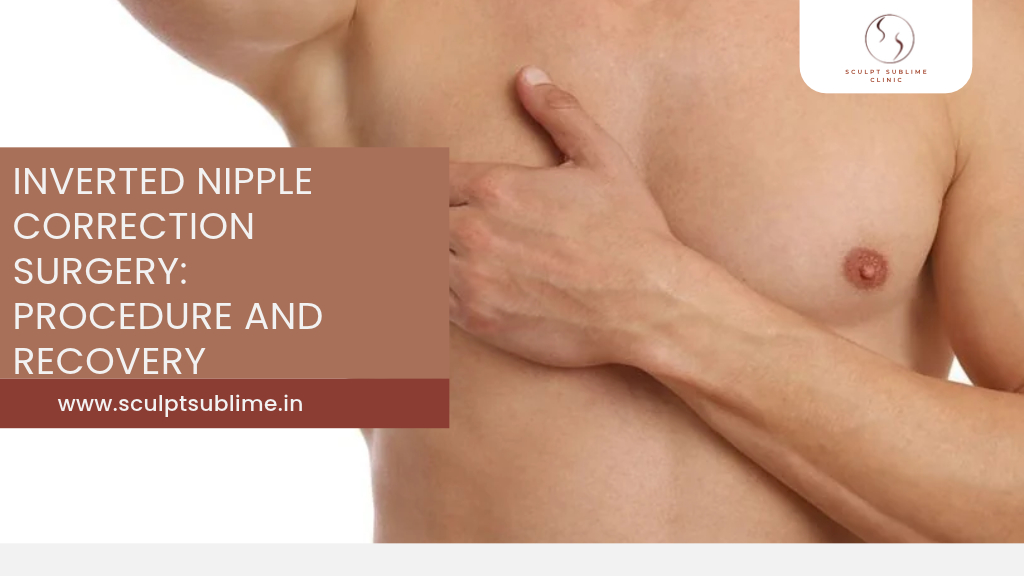
An inverted nipple points into the breast instead of outwards. Some come out for a while when stimulated, for example by touch or cold, while others stay tucked in all the time. It can affect one or both sides, and both women and men can have it.
The causes of inverted nipples fall into two groups:
- Present from birth or puberty: the milk ducts are too short, or a wide ring of muscle under the areola holds the nipple in. Fibrous bands beneath the nipple add to the pull, and the more fibrous the tissue, the harder the nipple is to draw out.
- Developing later in life: scarring after breast surgery or injury, fat necrosis, breast sagging or infection. Mammary duct ectasia (a widened, clogged milk duct beneath the nipple) and, less commonly, breast cancer can also pull a nipple in.
Is an inverted nipple dangerous? Usually not. According to Mayo Clinic, a nipple that has always turned inward is rarely a medical concern. One that has recently pulled in, however, should be examined by a doctor. That exam always comes first at Sculpt Sublime, before any cosmetic plan is made.
CONSIDERING INVERTED NIPPLE CORRECTION?
The Three Grades of Inverted Nipples
Surgeons grade nipple inversion by how easily the nipple can be drawn out. The grade shapes your treatment more than anything else.
| Grade | What it looks like | Usual approach |
|---|---|---|
| Grade 1 | Pulls out easily with gentle pressure around the areola and tends to stay out | Often managed without surgery |
| Grade 2 | Can be pulled out with more effort but sinks back when released | Surgery if non-surgical methods fail; the milk ducts can usually be preserved |
| Grade 3 | Firmly retracted and can rarely be pulled out by hand | Surgery is needed to correct it |
People with grade 3 nipples may also deal with rashes, infections or difficulty keeping the area clean.
How to Fix Inverted Nipples Without Surgery
Non-surgical inverted nipple treatment works best for grade 1 and sometimes grade 2 inversion:
- Suction devices: small cups or a breast pump draw the nipple out. Used just before a feed, suction can also help a baby latch.
- Regular stimulation: drawing the nipple out often may gradually loosen the tissue.
- Pregnancy and breastfeeding: some nipples come out, temporarily or for good, during pregnancy or as a result of breastfeeding.
Breast shells, once widely suggested, are now discouraged. Because none of these methods releases the fibrous bands underneath, the improvement is often temporary. If your nipple is grade 2 or 3, or stays inverted despite months of trying, surgery is the dependable option.
How Inverted Nipple Surgery Works
What the procedure involves:
- Assessment: at your consultation, Dr Bhosale examines the breast, confirms the grade and rules out any cause that needs medical treatment first.
- Incision: a small cut is made at the edge of the areola, where the scar blends into the natural colour change.
- Release: the tight tissue tethering the nipple inward is released so the nipple can sit outward.
- Support: in more severe cases, small flaps of tissue from the areola build a support beneath the nipple. This helps stop it pulling back in, and fine stitches hold the new shape while it heals.
- Dressing: a protective dressing shields the nipple, and you go home the same day.
You can see how we approach nipple correction surgery in Mumbai.
What Do You Gain Beyond a Better Look?
- Projection and symmetry you can see in the mirror
- Freedom to wear what you like without planning around it
- Easier hygiene, especially if a grade 3 nipple has caused rashes or infections
- For some women, easier latching when breastfeeding
- A longer-lasting fix than suction alone, because the tethering tissue is released rather than stretched
Inverted Nipple Surgery and Breastfeeding
This is the most important question to settle before surgery. Many women with inverted nipples can breastfeed without any surgery at all. With good technique, a baby latches onto the areola rather than the nipple tip. Most new mothers with inverted nipples are able to breastfeed without problems.
If you choose surgery, the technique matters:
- Duct-sparing surgery frees the fibrous bands but keeps the milk ducts intact. It gives you the best chance of breastfeeding later, though the nipple is more likely to pull back in over time.
- Duct-dividing surgery cuts the short ducts that hold a severe nipple inward. The result is more durable, but that breast will usually no longer be able to feed a baby.
In grade 2 inversion the ducts usually do not need to be cut. In grade 3 they are often short and constricted, which makes the trade-off harder. If you hope to breastfeed in future, tell your surgeon at your first consultation.
Recovery After Inverted Nipple Surgery
- Day of surgery: you go home with a protective dressing. Mild soreness is controlled with prescribed pain relief.
- First week: swelling and bruising settle, and most people are back at desk work within a few days to a week.
- First few weeks: avoid pressure on the nipples, underwired or tight bras and strenuous exercise until your surgeon clears you. Full recovery generally takes a few weeks.
- Follow-up visits: dressings and stitches are checked, and the shape is reviewed as swelling settles.
Risks: Can Inverted Nipples Come Back After Surgery?
Inverted nipple surgery is a minor procedure, but like any operation it carries some risks. Dr Bhosale will go through them with you at consultation:
- Swelling, bruising and soreness for the first few days
- Temporary, or occasionally lasting, change in nipple sensation
- Small scars at the edge of the areola, which usually fade well
- Infection or delayed healing
- Slight differences between the two sides
- Recurrence, where the nipple gradually pulls back in, especially after duct-sparing techniques or in severe inversion
Matching the technique to your grade and following your aftercare advice keeps the risk of recurrence as low as possible.
Am I a Good Candidate?
You may be a good candidate for inverted nipple surgery if:
- Your inversion is persistent (grade 2 or 3, or a grade 1 nipple that bothers you)
- Non-surgical methods have not worked
- You are in good general health and have realistic expectations
- You have thought through your breastfeeding plans
Get checked first if:
- your nipple has recently turned inward, or only one side has changed
- the change comes with a lump or nipple discharge, especially if it is bloody
- the skin shows dimpling, puckering, crusting or a change in colour
How Much Does Inverted Nipple Surgery Cost?
The consultation fee for inverted nipple correction with Dr. Ranjit Bhosale at Sculpt Sublime Clinic is ₹2,000. The overall surgery cost depends on whether one or both nipples require correction, the grade of inversion, the surgical technique and the type of anaesthesia used. The exact treatment cost will be confirmed after an in-person examination and assessment by Dr. Ranjit Bhosale during your consultation.
Inverted Nipples or Puffy Nipples: Which Fix Do You Need?
They are opposite problems with different solutions. Is your concern the reverse, with nipples that look raised or show through clothing? Our guide on how to get rid of puffy nipples in men explains that route. Puffy nipples in men are often linked to gynecomastia, which our gynecomastia surgery guide covers in detail.
| Feature | Inverted nipple correction | Puffy nipple correction |
|---|---|---|
| Concern | Nipple sits flat or points inward | Nipple and areola look raised or full |
| Common cause | Short ducts and tight fibrous bands | Excess gland tissue or fat behind the areola, often gynecomastia |
| Approach | Release of the tethering tissue and internal support | Removal of excess gland, sometimes with liposuction |
| Best for | Persistent inversion (grades 2 to 3) | Puffiness that diet and exercise do not change |
Inverted Nipple Correction in Mumbai: Consult Dr. Ranjit Bhosale at Sculpt Sublime Clinic
Inverted nipple surgery is a short day-care procedure that can give you natural projection, easier hygiene and the freedom to dress without second-guessing. The best results come from a careful examination first and a technique matched to your grade of inversion and your breastfeeding plans. If you are looking for an experienced plastic surgeon in Mumbai, Dr Ranjit Bhosale, MCh Plastic and Reconstructive Surgery (AIIMS Delhi), sees patients for inverted nipple correction at Sculpt Sublime’s clinics in Andheri West, Chembur and Grant Road. Contact us to book your Personalised Aesthetic Audit and get clear, honest answers about your options.