


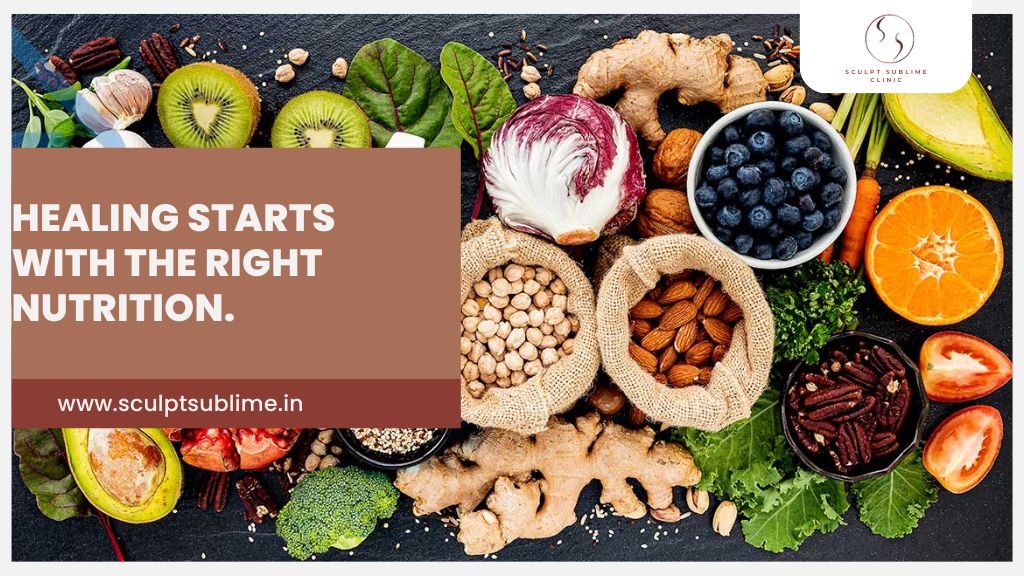
You spend months researching the right surgeon. You prepare your home for downtime. But many of my patients forget their own role in the healing process. When you leave my clinic in Andheri, Chembur or Grant Road, Mumbai, your body takes over the heavy lifting. Your diet is the architect of your new scars. Proper nutrition during surgery recovery is the secret to healing safely, quickly, and beautifully.
Here is my advice on exactly how to eat for a smooth, pain‑free recovery after breast reduction surgery in Mumbai.
Quick‑Read Summary: Dr Ranjit Bhosale’s Top 4 Diet Hacks for a Pain‑Free Recovery
- Hit your protein goal: Eat 100–120 g of protein daily from paneer, dal, eggs, and chicken to rebuild tissue.
- Skip the salt: Avoid very salty restaurant food. Hidden sodium causes painful swelling.
- Eat your anti‑inflammatories: Use turmeric, ginger, and vitamin‑C‑rich fruits to speed up healing.
- Prep your fridge: Prepare dal‑khichdi, clear soups, and curd‑rice in advance for easy, zero‑effort meals.
The Hidden Danger: Why Your Diet Is Sabotaging Your Surgery Scars
Why follow a structured diet? Because a structured pre‑ and post‑surgery diet helps your body focus on healing, not digestion. It dramatically reduces fatigue, nausea, and swelling so that you can return to work and your social life sooner.
According to general surgical guidelines, adequate protein and hydration support wound healing and reduce the risk of infection. Low‑glycaemic, anti‑inflammatory diets are common recommendations before and after elective surgery. They keep your blood sugar stable and inflammation low, which is especially important for patients in Mumbai who manage long work hours and stress.
What to Eat BEFORE Breast Reduction Surgery in Mumbai
The weeks before your surgery are about building up your body’s reserves. At Sculpt Sublime, I always review each patient’s diet and medical history before breast reduction surgery in Mumbai.
Boost Your Haemoglobin
Surgery naturally involves some blood loss. Build your iron levels with:
- Spinach and other green leafy vegetables
- Lentils (dal)
- Beetroot
Load Up on Vitamin C
Vitamin C helps form collagen. Collagen is the framework that forms your new skin and supports incision healing. Snack on:
- Amla (gooseberry) in small portions
- Oranges and sweet lime (mosambi)
- Bell peppers and tomatoes
Hydrate Deeply
Drink plenty of water throughout the day. Well‑hydrated skin responds better to surgical techniques and is less likely to crack or stretch during recovery.
What to Eat AFTER Breast Reduction Surgery in Mumbai
Your body needs raw materials to close incisions, reduce swelling, and rebuild tissue. Here is the healing‑focused timeline for patients in Mumbai.
Days 1–3: Very Soft, Easy‑to‑Digest Foods
Anaesthesia and painkillers make your stomach sensitive. Stick to foods that are effortless to digest.
Eat:
- Moong dal khichdi
- Ragi or oats porridge
- Clear chicken or vegetable soup
- Plain curd (yoghurt)
Avoid (for the first few days):
- Spicy masalas and heavy curries
- Fried foods and dal‑fry
- Dairy milk, if it causes bloating, switch to curd or buttermilk
Days 4–10: Adding Protein and Fibre
As your appetite returns, protein becomes your priority. I ask my patients to aim for about 100–120 g of protein per day, depending on body weight and activity level. We can personalise this target during your consultation.
Vegetarian options:
- Paneer – in mild curries or bhurji
- Thick Greek yoghurt or curd
- Lentils (dal, masoor, toor)
- Soya chunks or sprouts
Non‑vegetarian options:
- Boiled or poached eggs
- Grilled or lightly boiled chicken
- Fish prepared in oil‑free or low‑oil methods
Add fibre gradually:
- Soft-boiled vegetables
- Mashed fruits like banana or papaya
- Soaked chana or sprouts
This balance helps manage constipation without overloading your digestive system.
The “ Food Delivery Apps Survival Guide” for Busy Mumbai Professionals
I know the Mumbai lifestyle. You have long office hours, terrible traffic, and late dinners. You might feel too tired to cook in the first week. If you rely on food delivery apps, choose simple meals. Order steamed rice, plain dal, and grilled chicken instead of heavy biryanis or fried starters.
Restaurant meals are packed with hidden sodium. This salt forces your body to retain water, leading to severe, painful swelling (oedema) around your incisions. Even if you are in a hurry, avoid salty chaat, papad‑heavy meals, and deep‑fried snacks.
For Mumbai patients in shared homes or hostels:
If you live in Bandra, Andheri, Versova, or nearby and share a kitchen, meal prep is vital. Cook double portions of dal and rice on Sunday. Store them in clear glass containers and label your “recovery meals” so your flatmates do not mix them up. If you face a long commute to the clinic for follow‑ups, carry easy snacks like boiled eggs, nuts, or a banana in your bag.
The “Do Not Eat” List: 3 Everyday Habits That Thicken Your Blood
You might wonder: Can I have an occasional drink after surgery? The answer is no. Some habits actively hinder your healing.
1. Alcohol
Alcohol thins your blood, increases bruising, and interacts dangerously with the painkillers and antibiotics I prescribe. Avoid alcohol for at least 2–3 weeks after surgery, or as long as your doctor advises.
2. Processed Sugars
Sweets, packaged snacks, cakes, and sugary drinks trigger inflammation. They make your scars red, raised, and more noticeable. Stick to natural sweetness like seasonal fruits during recovery.
3. Excessive Caffeine
Too much coffee or strong tea restricts your blood vessels. It can reduce blood flow to healing tissues in your chest. Limit caffeine to one small cup a day, if at all, during the first phase of recovery.
EAT RIGHT. HEAL BETTER. RECOVER FASTER.
Protecting Your Surgical Investment
Breast reduction is not just about size; it is about reshaping breast tissue, preserving blood supply, and minimising scars. Choosing an experienced plastic aesthetic surgeon in Mumbai means your recovery plan (including nutrition) is tailored to your lifestyle.
During your follow‑up at Sculpt Sublime, we can adjust your diet plan based on your healing progress. For a detailed timeline of what to expect, read our surgery recovery timeline guide. If implants or lifts are part of your long‑term plan, please review our breast implant cost breakdown. You paid for a premium result; eat to support it.
Medical Disclaimer
The information provided in this article is for educational purposes only and does not substitute for professional medical advice. Always consult with Dr Ranjit Bhosale or your primary healthcare provider before making significant dietary changes, especially if you manage chronic conditions like diabetes or hypertension.
Don’t Leave Your Results to Chance. Secure Your Consultation Today.
If you are planning a breast reduction in Mumbai and want a surgeon who includes diet, lifestyle, and rapid‑healing protocols in your recovery plan, do not wait.
Book your comprehensive consultation with Dr Ranjit Bhosale at Sculpt Sublime today and take the next step toward a smoother, healthier, and more beautiful recovery.
Frequently Asked Questions
Can I eat curd after breast reduction surgery?
Yes. Curd is an excellent source of protein and probiotics, and it helps digestion. Stick to plain versions without added sugar.
How long should I avoid spicy food?
I usually advise avoiding heavy spices and very oily restaurant food for the first 10–14 days, or until your stomach feels entirely comfortable.
Can I drink coconut water after surgery?
In most cases, yes. Coconut water supports hydration and provides electrolytes. It is a fantastic local option for managing swelling, unless I have advised specific fluid restrictions for you.
How does diabetes affect breast reduction recovery?
High blood sugar thickens your blood and restricts oxygen flow to the healing tissue. It delays wound closure and increases the risk of infection. You must manage your blood sugar closely with low‑glycaemic foods such as ragi, jowar, oats, and green vegetables.