


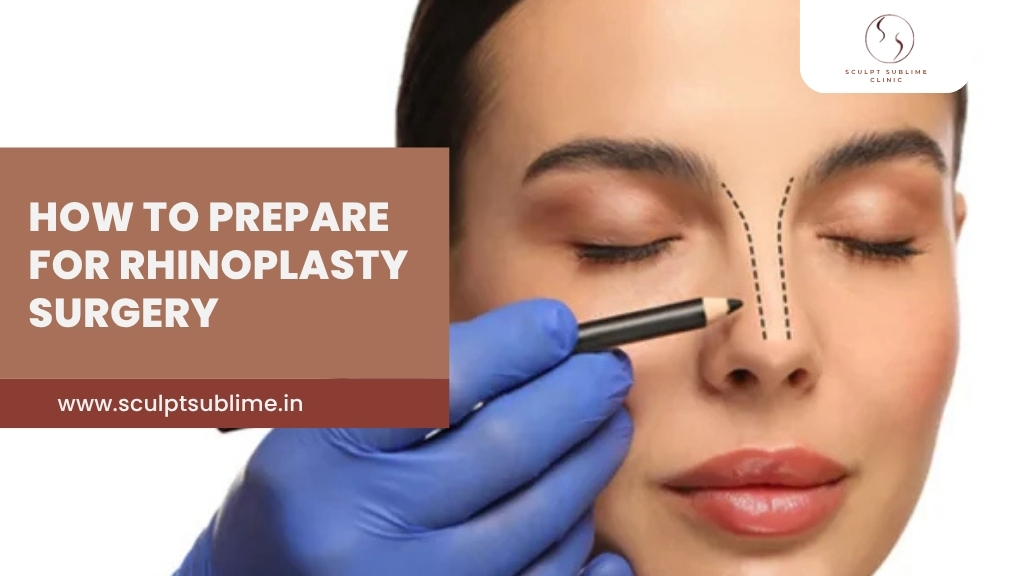
When considering rhinoplasty surgery in Mumbai, it is natural to have questions about the procedure and what to expect during recovery. What medicines should you stop taking? Who will drive you home? How long will swelling and bruising last? These are common concerns, and understanding the answers can help you feel more prepared. Rhinoplasty reshapes the nose to improve its appearance, breathing function, or both. At Sculpt Sublime, Dr Ranjit Bhosale helps patients understand each stage of the process, from pre-surgery preparations to recovery, so they can approach their procedure with realistic expectations and greater confidence.
Key Takeaways
- Give your surgeon a full list of medicines, supplements and allergies. Don’t stop anything on your own.
- Follow nicotine, fasting and arrival instructions exactly as your facility gives them.
- Arrange a ride home and an adult to stay with you.
- Set up a restful recovery space before the day of surgery.
- Healing is gradual. Swelling can take up to a year to settle.
What Is Rhinoplasty, and Why Does Preparation Matter So Much?
Rhinoplasty is surgery to repair or reshape the nose, and it’s one of the most common plastic surgery procedures (MedlinePlus, n.d.). People choose it after an injury, for breathing trouble, or because they want their nose to suit their face. Often it’s a mix of all three.
Preparation matters because the nose is unforgiving. Small details, like a medicine you forgot to mention, can change how you heal.
Cosmetic or Functional: Which Rhinoplasty Is Right for You?
The two aren’t rivals. They solve different problems, and many patients need a bit of both. Our cosmetic vs functional guide goes deeper.
Aspect | Cosmetic rhinoplasty | Functional rhinoplasty |
Main goal | Shape, proportion, and profile | Breathing and nasal structure |
Typical concerns | Hump, wide tip, or asymmetry | Deviated septum or blocked airflow |
Key benefit | Balance with your facial features | Easier breathing and, in some cases, better sleep |
Often combined? | Yes, frequently | Yes, frequently |
Cost depends on complexity, facility, and aftercare, so I rarely quote numbers in a blog post. Our rhinoplasty cost guide explains what drives it.
Am I a Good Candidate for Rhinoplasty?
Usually, yes, if you’re in good general health, your nose has finished growing, and your expectations are realistic. Many surgeons prefer to wait until the nasal bone has stopped growing for cosmetic work.
Realism matters more than most people think. Research on patient-reported outcomes notes that rhinoplasty patients are often less satisfied than those having other facial procedures (Journal of Clinical Medicine, 2024). That’s why I spend so much consultation time on goals and anatomy. A good result starts with an honest conversation.
What Should You Change 2–4 Weeks Before Rhinoplasty?
This is the “tell me everything” stage. List every prescription, over-the-counter medicine, vitamin and herbal product. Mention previous nasal surgery, allergies and conditions.
Please don’t quietly stop a prescribed medicine. Timing differs from person to person, so let your surgical team plan it with you.
Nicotine needs a real conversation. General guidance suggests stopping smoking two to three weeks before and after surgery to aid healing. Your surgeon may ask for longer.
What Do You Need to Sort Out One Week Before?
Logistics, not heroics. Confirm:
- your arrival time and check-in point
- your fasting and medicine instructions
- who is driving you home and staying with you
- how long will you be off work
- Whom to call after hours
If you have a cold or fever, call the clinic. Don’t decide alone.
Preparing for Rhinoplasty? Start with the Right Guidance
What Happens the Day Before Rhinoplasty?
Keep it boring. Follow the written instructions for eating, drinking, and bathing exactly. Fasting rules vary by facility and anaesthesia plan, so “midnight” isn’t a rule you should assume. Pack comfortable, front-fastening clothes, confirm your ride, and get an early night if you can.
What Does Rhinoplasty Day Actually Look Like?
You’ll check in, review your health one last time, and meet the anaesthesia team. After surgery, you’re monitored while you wake up. Most patients go home the same day, though some stay overnight. Expect a splint or dressing and a blocked-up feeling. Both are normal. Leave them alone.
How Do You Set Up Your Home for Rhinoplasty Recovery?
Think simple, not elaborate. Place water, soft food, tissues and chargers within reach. Arrange pillows as your surgeon advises. Line up help with meals, children or pets, so you aren’t lifting or rushing. Your nose will feel stuffy and your face puffy for a while, and that’s expected.
When Will You See Your Final Rhinoplasty Results?
Later than you’d like, honestly. The splint comes off, and you’ll see a change, but the nose keeps refining for months. Swelling can last up to a year. Keep every follow-up visit, even when you feel fine. That’s where small concerns get caught early. If you’re also weighing broader facial balance, facelift surgery can complement each other.
Ready to Prepare for Your Rhinoplasty? Contact Dr Ranjit Bhosale
Preparing for rhinoplasty starts with understanding your goals, knowing what to expect during recovery, and following your surgeon’s instructions carefully. If you’re considering rhinoplasty, Dr Ranjit Bhosale can help you understand your options, discuss your concerns, and determine the most suitable approach for your needs at Sculpt Sublime. Contact us to schedule a consultation and take the next step towards making an informed decision about your rhinoplasty surgery.
Frequently Asked Questions
What should I stop taking before rhinoplasty?
There’s no universal list. Share everything you take, then follow your surgical team’s plan. Never stop a prescribed medicine on your own.
How long is the rhinoplasty recovery time?
Many people plan about a week off work, but it depends on your job and healing. Full refinement takes much longer.
What are the common rhinoplasty side effects?
Swelling, bruising, congestion and mild drainage are common early on. Risks include bleeding, infection, breathing changes and the possibility of revision surgery. Ask how each applies to you.